Caribbean overview
Other
Caribbean overview
Other
Panama City is a coastal capital known for its skyline, historic Casco Viejo and the Panama Canal that links the Pacific and Caribbean. This guide highlights all the essential information for planning your trip.
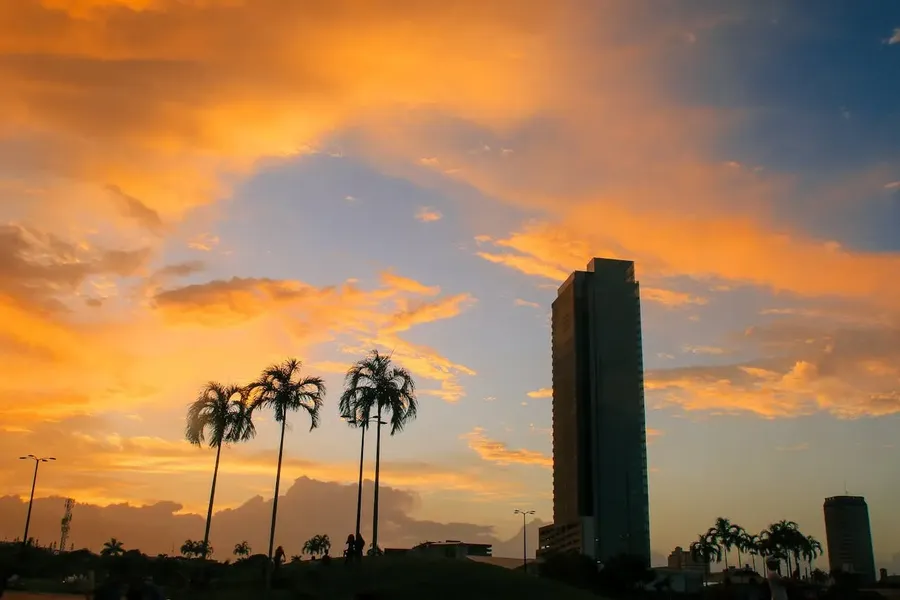

Panama City is warm and humid all year. December to April is the most popular time to visit, with plenty of sunshine, 28 to 32 °C temperatures and ideal conditions for canal tours and city sightseeing. From May to November, afternoon showers are common and prices drop, but crowds thin out and the parks turn lush, while mornings often remain clear.
December to April offers the most reliable sunshine for exploring Panama City and nearby beaches.
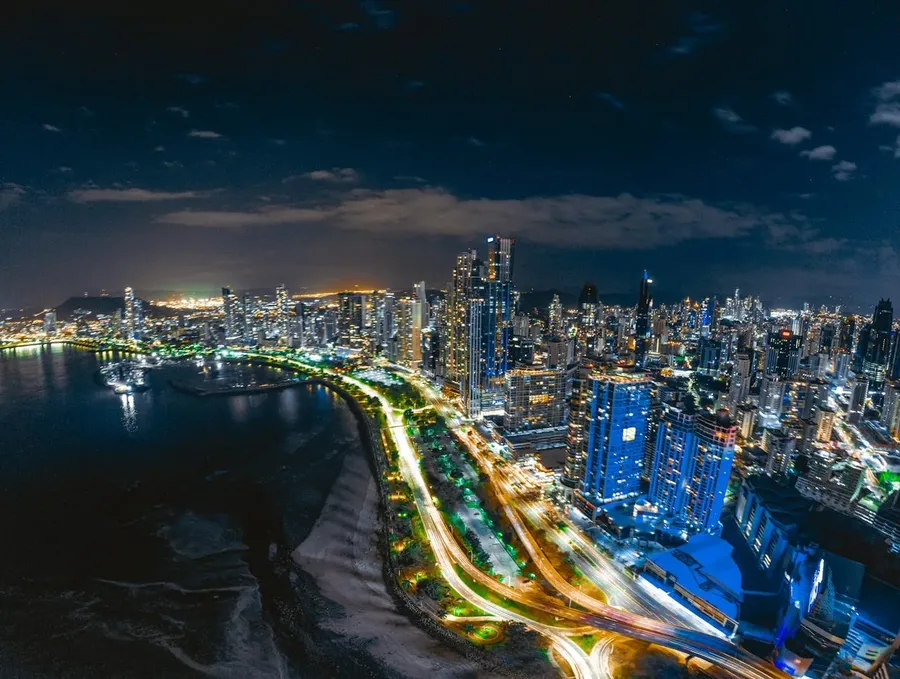
Panama City offers two main areas that work best for most travelers, one historic and atmospheric, the other modern and convenient. These neighborhoods give visitors easy access to the city’s main sights, restaurants and waterfront.
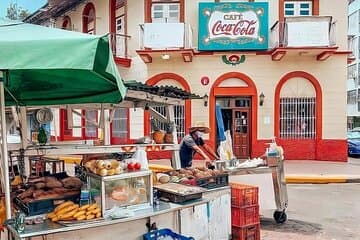
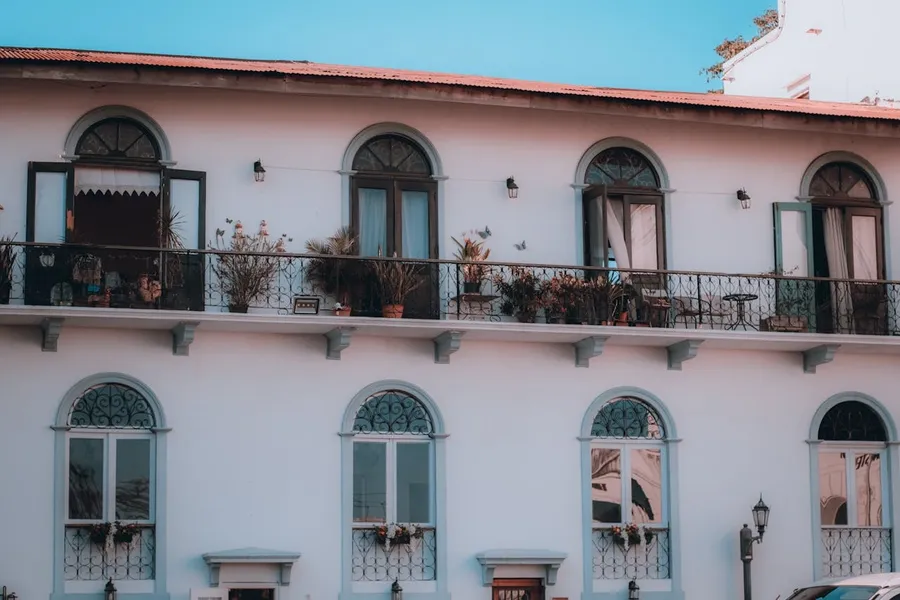
Casco Viejo is the UNESCO listed historic center filled with restored buildings, boutique hotels, rooftop terraces and views of the modern skyline. The area has a relaxed yet lively feel, with plazas, cafes and small shops set among narrow streets. It is the city’s cultural heart and the most charming place to base yourself for a short stay.
Best for: history lovers, couples, culture seekers
Why stay here: walk to plazas, cafes and the waterfront, with dining and nightlife close by
Casco Viejo, Panama City
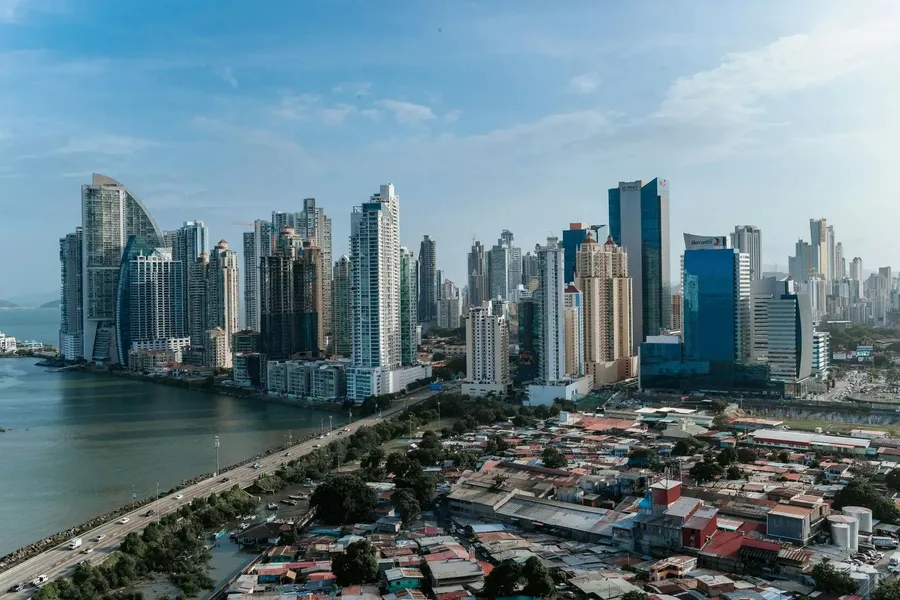
This central district offers a wide choice of modern hotels, apartments, restaurants and nightlife, all within easy reach of malls, business areas and the coastal walkway. It is well connected by taxis and metro, making it a practical base for exploring both the old city and the modern skyline neighborhoods. The area feels lively and convenient without being overwhelming.
Best for: business travelers, food lovers, urban explorers
Why stay here: quick taxis, waterfront walks and a wide choice of hotels at good value
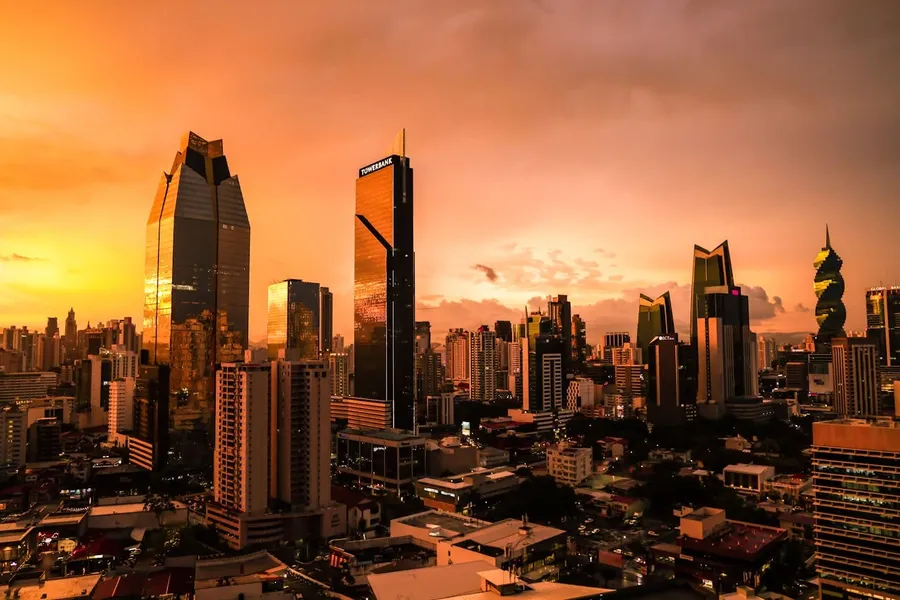
Calle 50, Panama City
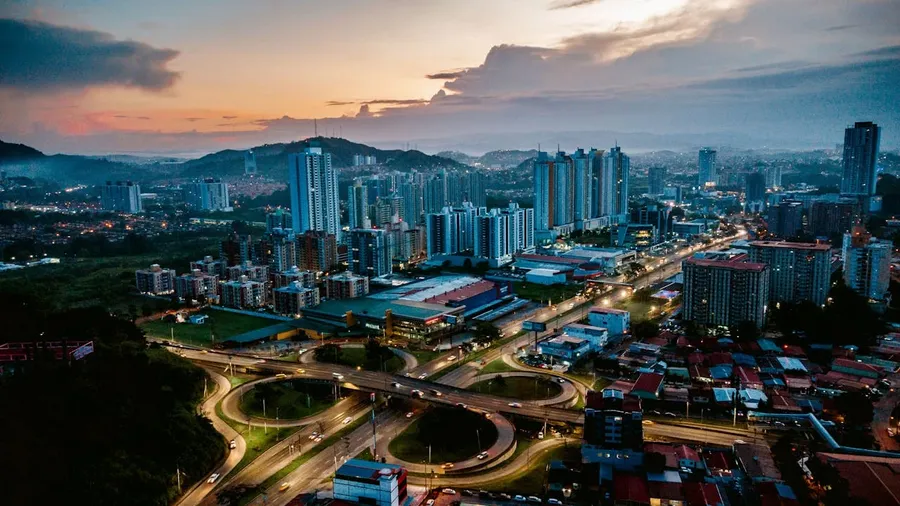
Panama City is generally safe for tourists in 2026, especially in areas like Casco Viejo, Costa del Este and Punta Pacifica where police presence is steady and violent crime is uncommon. Petty theft can occur in crowded places, so keep valuables secure and avoid showing cash or expensive items. It is best to stay within tourist zones and use Uber or licensed taxis at night rather than walking long distances.
Panama City is safe for visitors with normal precautions in the main tourist areas.
Panama City mixes modern skyscrapers, historic streets and canal wonders. These are the three experiences almost every visitor loves most.
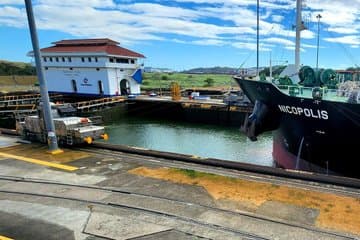
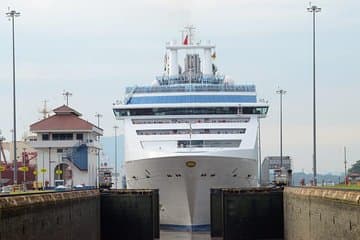
The Panama Canal is the city’s top attraction, linking the Pacific Ocean with the Caribbean Sea through a series of impressive locks. Miraflores Locks offer close up views of massive ships rising and lowering as they cross between oceans. Watch the 4K film, explore the museum and time your visit to see a vessel transit. Entry costs about 20 USD and the site opens daily from 8 am. Many visitors join guided city tours that include a stop at the canal for easy transport and expert commentary.
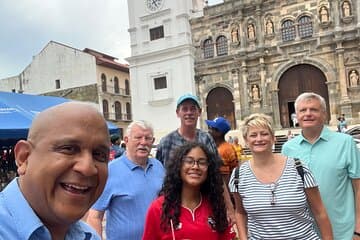
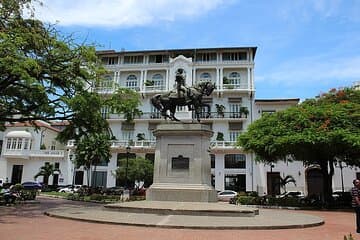
Casco Viejo is the UNESCO listed old town with cobblestone streets, restored buildings and ocean views. Wander to Plaza de la Independencia, climb the cathedral tower, browse local artisan shops and catch sunset from a rooftop bar or the seawall. Free walking tours depart every morning.
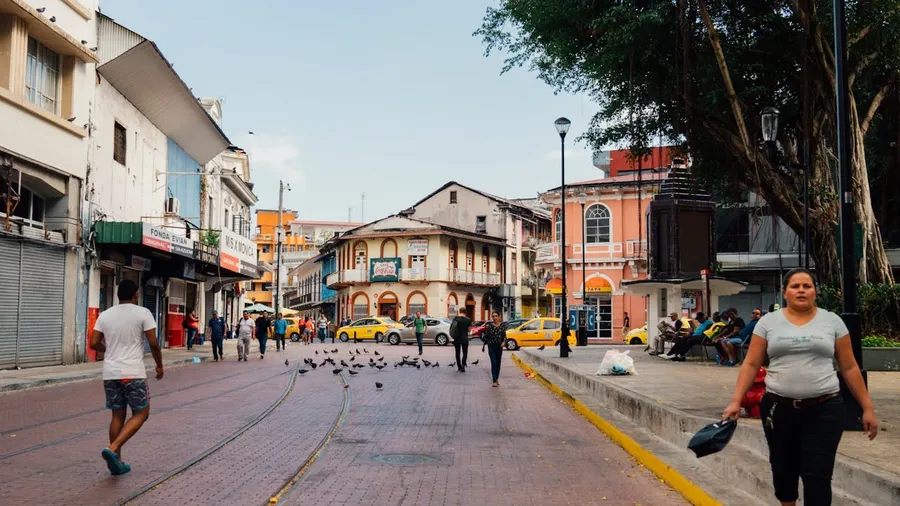
Casco Viejo, Panama City
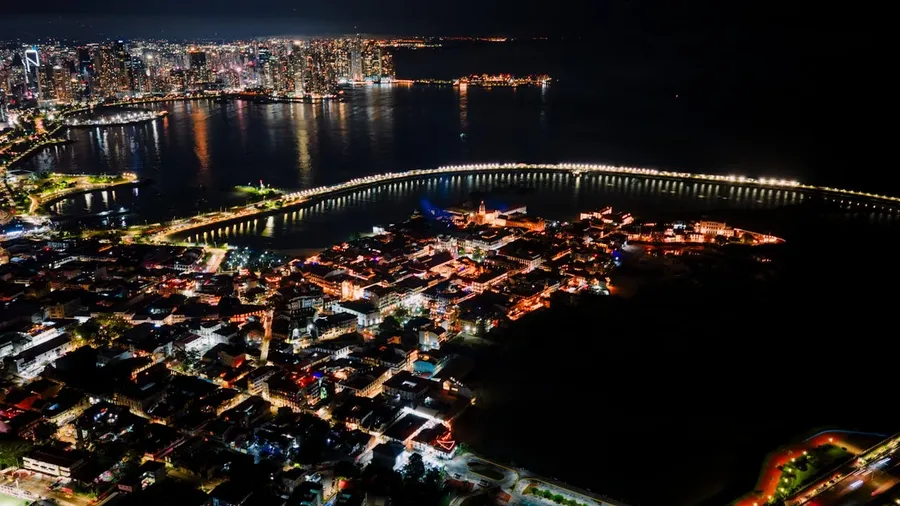
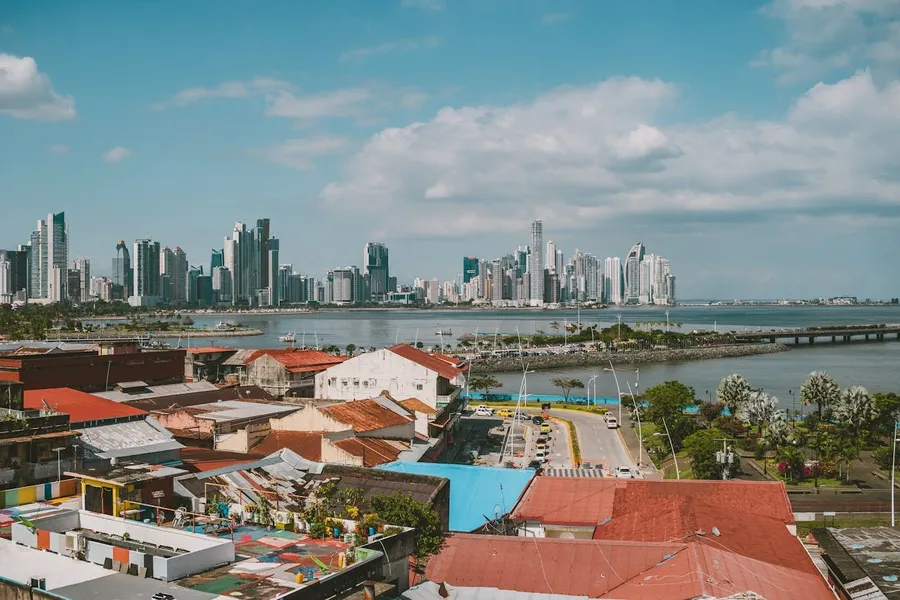
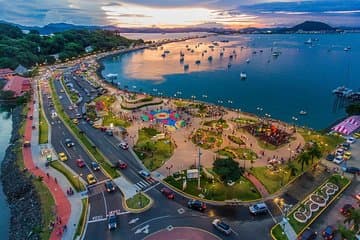
The Cinta Costera is a six kilometer oceanfront walkway with skyline views, bike rentals and parks. Continue along the Amador Causeway for breezy waterfront paths, marina views and the Frank Gehry designed Biomuseo, which highlights Panama’s biodiversity. The area is open all day and museum entry is about 18 USD.
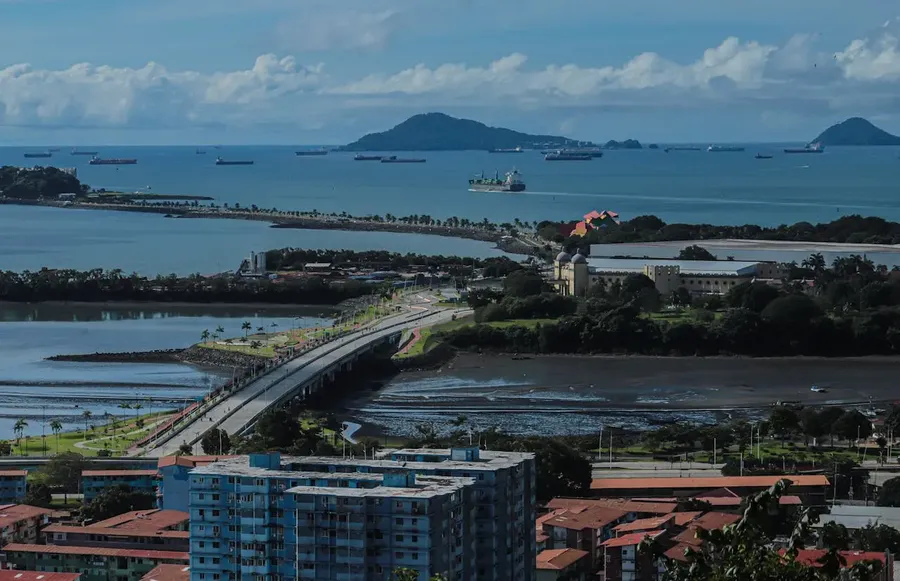
Amador Causeway, Panama City
Nightlife in Panama City blends rooftop glamour, salsa energy and waterfront cocktail spots. Parties stay social and stylish, often ending with skyline views or sunrise over the bay. These three neighborhoods keep the vibe going longest.
Panama City is the capital of Panama, located on the Pacific coast of Central America at the southern entrance of the Panama Canal. The canal connects the Pacific Ocean to the Caribbean Sea, making the city a key global transit point between the Americas. Tocumen International Airport is located about 25 km from the city center.

Panama City is the only capital in the world with a rainforest inside its city limits.
Ships cross the Panama Canal from the Pacific to the Caribbean Sea in about eight to ten hours.
The Panama Canal generates around $5 billion in revenue each year, making it one of the country’s most important economic assets.
The Amador Causeway was built using rocks excavated during the construction of the canal.
Casco Viejo was founded in 1673 after the original city was attacked by the pirate Henry Morgan.
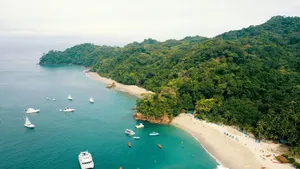
 23°C
23°CKnown for its strong connection to nature, Costa Rica is great for hiking, surfing or relaxing in tropical surroundings.
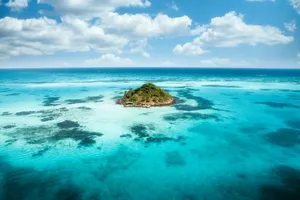
 20°C
20°CColombia’s Caribbean coast is known for its warm weather, coastal cities, and island escapes.


 30°C
30°CNicaragua’s Caribbean coast offers raw beaches, Afro Caribbean culture and off grid island escapes.
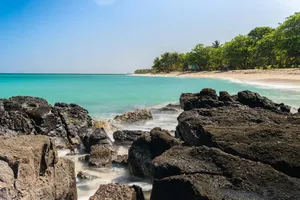
 29°C
29°CMore than just the Bay Islands, Honduras is full of nature, history and Caribbean charm.