
ABC Islands
The ABC Islands are three Caribbean islands known as Aruba, Bonaire and Curaçao. They are located in the southern Caribbean Sea just north of the coast of South America and form part of the Dutch Caribbean. Unlike most Caribbean islands, the ABC Islands have a dry climate, lie outside the main hurricane belt and share a common historical and political connection to the Kingdom of the Netherlands.
ABC Islands map
This map shows the location of the ABC Islands in the southern Caribbean Sea. Aruba, Bonaire and Curaçao are positioned just north of the coast of South America, close to Venezuela while remaining geographically separate from the main island arc of the Lesser Antilles. Although part of the same island group, the ABC Islands are spread across roughly 80 to 190 kilometers, with Aruba in the west, Curaçao centrally positioned and Bonaire furthest east.
Use this interactive map to zoom in and out and see how the ABC Islands relate to nearby Caribbean islands, mainland South America and the wider Caribbean region.
Political status of the ABC Islands
The ABC Islands share a common constitutional link to the Kingdom of the Netherlands, but their political status is not the same. Aruba and Curaçao are autonomous countries within the kingdom, each with its own government and internal self rule, while the Netherlands retains responsibility for defense and foreign affairs. Bonaire, by contrast, is a special municipality of the Netherlands and is governed directly as part of the Dutch state. This difference explains why the islands are grouped together geographically and historically, yet differ in administration, citizenship arrangements and legal systems.
Geography and natural features
The ABC Islands lie outside the main volcanic island arc of the Lesser Antilles and are geologically distinct from much of the Caribbean. Unlike the eastern Caribbean islands formed by volcanic activity, Aruba, Bonaire and Curaçao are primarily composed of ancient coral limestone and arid terrain, which results in flatter landscapes and an absence of active volcanoes.
The islands experience dry climates with limited rainfall, shaped by trade winds and ocean currents. These conditions have produced rugged coastlines, sparse vegetation and exceptionally well-developed coral reef systems along their shores, helping explain why the ABC Islands differ so clearly from neighboring volcanic island groups.
Countries of the ABC Islands
The ABC Islands consist of three distinct Caribbean islands: Aruba, Bonaire and Curaçao.
Aruba
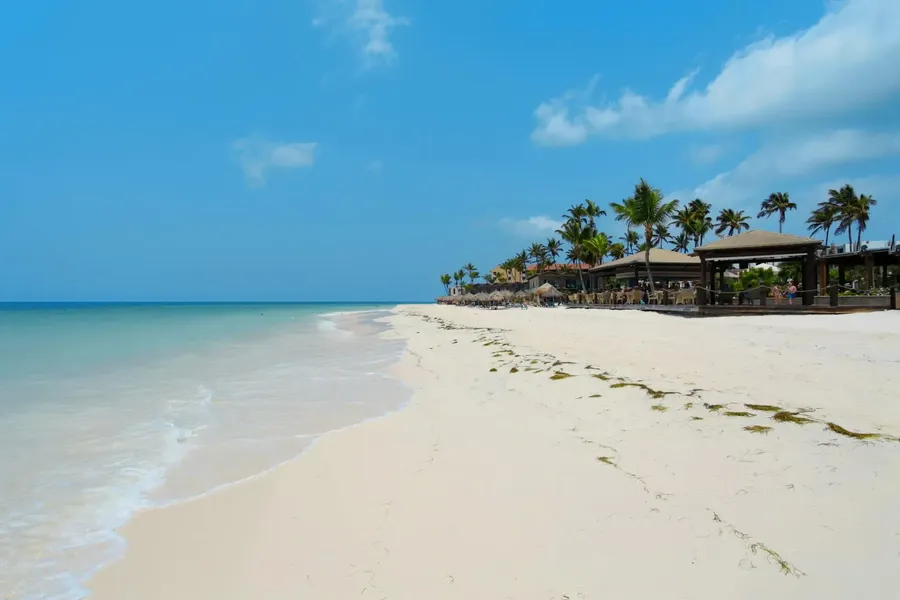
Aruba is the westernmost of the ABC Islands and lies just off the northern coast of Venezuela. It is geologically distinct from most Caribbean islands, with a flat to gently rolling landscape, an arid climate and no active volcanoes.
Politically, Aruba is an autonomous country within the Kingdom of the Netherlands, with its own government and internal self rule while the kingdom manages defense and foreign affairs. The island has a highly developed infrastructure and one of the most stable economies in the southern Caribbean, shaped by tourism, trade and regional connectivity.
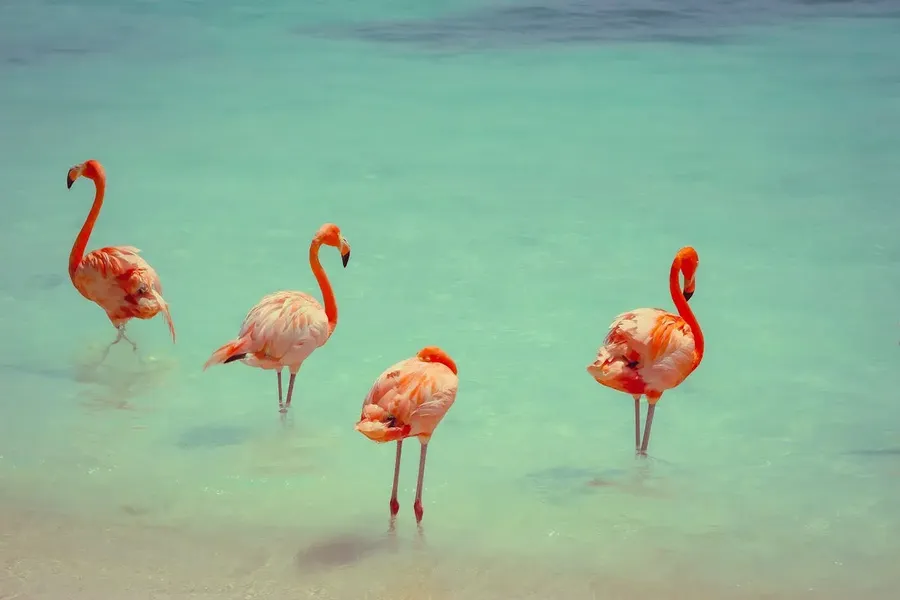
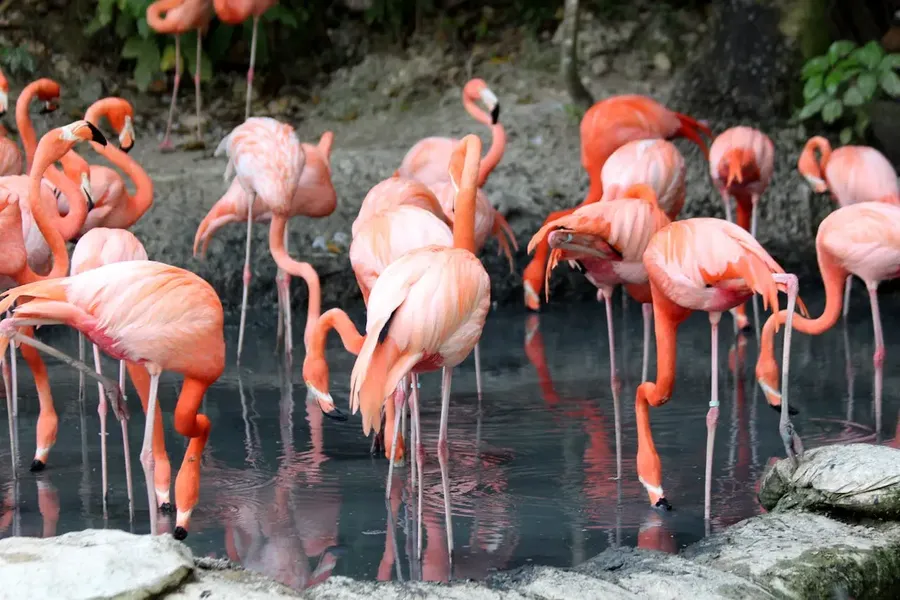
Flamingos in Aruba
Bonaire
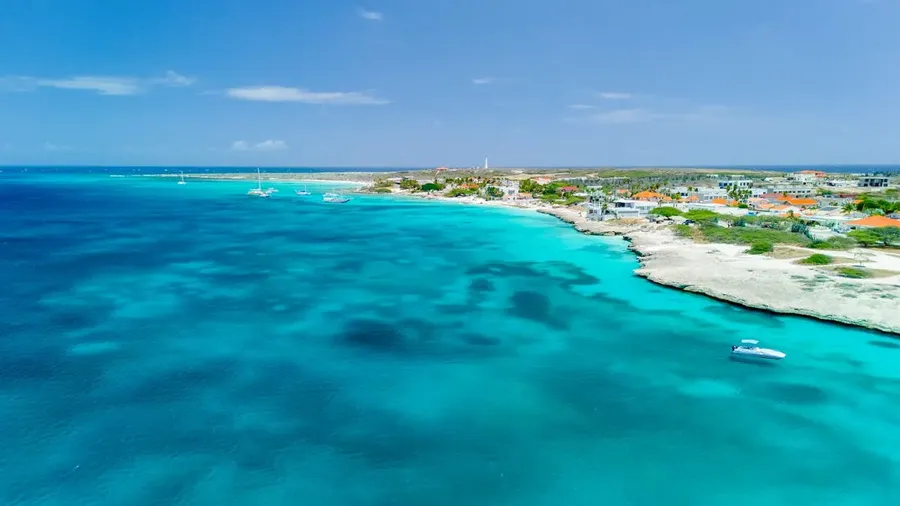
Bonaire is the easternmost of the ABC Islands and is located just off the northern coast of Venezuela. The island has a flat and gently elevated landscape with coral limestone formations, salt flats and an arid climate similar to its neighboring islands.
Bonaire differs politically from Aruba and Curaçao as it is a special municipality of the Netherlands rather than an autonomous country. It is governed directly as part of the Dutch state and is internationally recognized for its strict environmental protection policies, particularly in relation to marine conservation and coastal ecosystems.
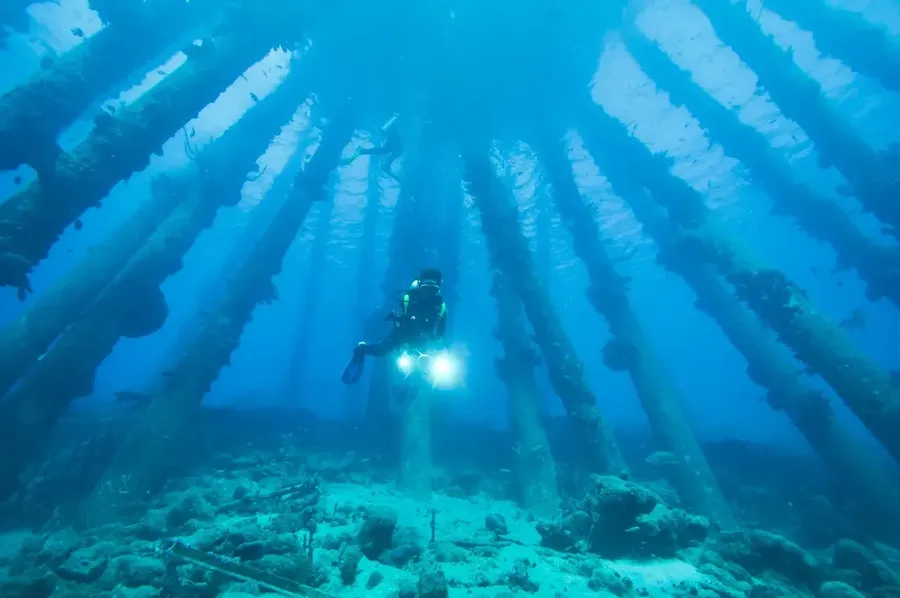
Deep diving in Bonaire
Curaçao
Curaçao is the largest and most populous of the ABC Islands and lies just north of the coast of Venezuela. Its landscape consists of coral limestone terraces and low hills with a dry climate and geology that differs from volcanic island groups in the eastern Caribbean.
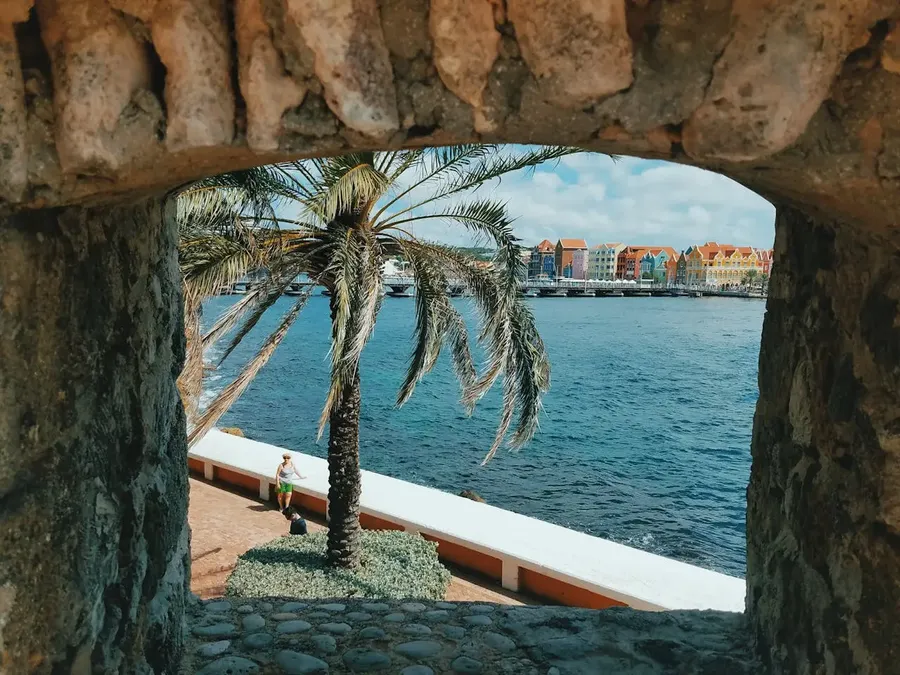
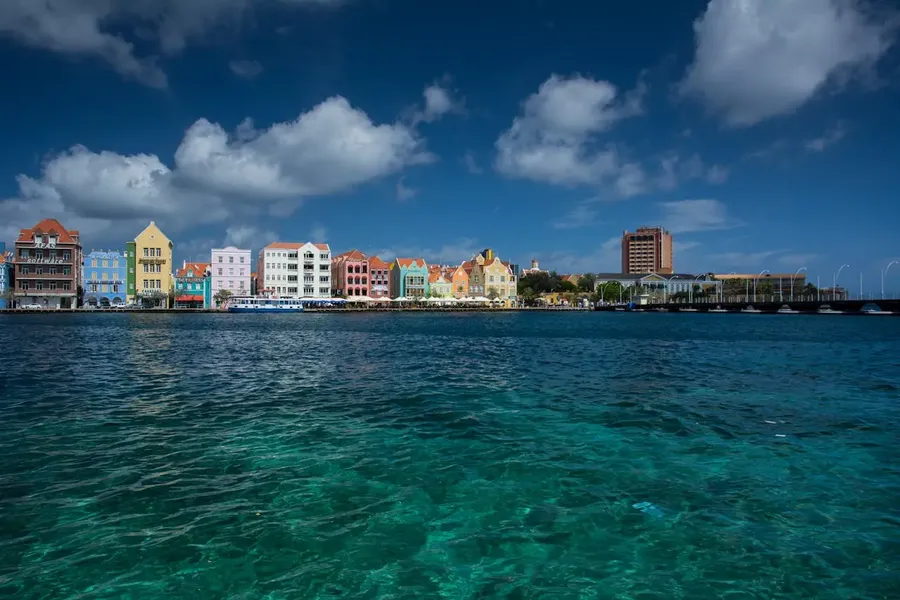
Curaçao is an autonomous country within the Kingdom of the Netherlands with its own government and internal administration while the kingdom oversees defense and foreign affairs. The island functions as a regional economic and cultural center in the southern Caribbean and is home to the capital Willemstad, a UNESCO World Heritage Site.
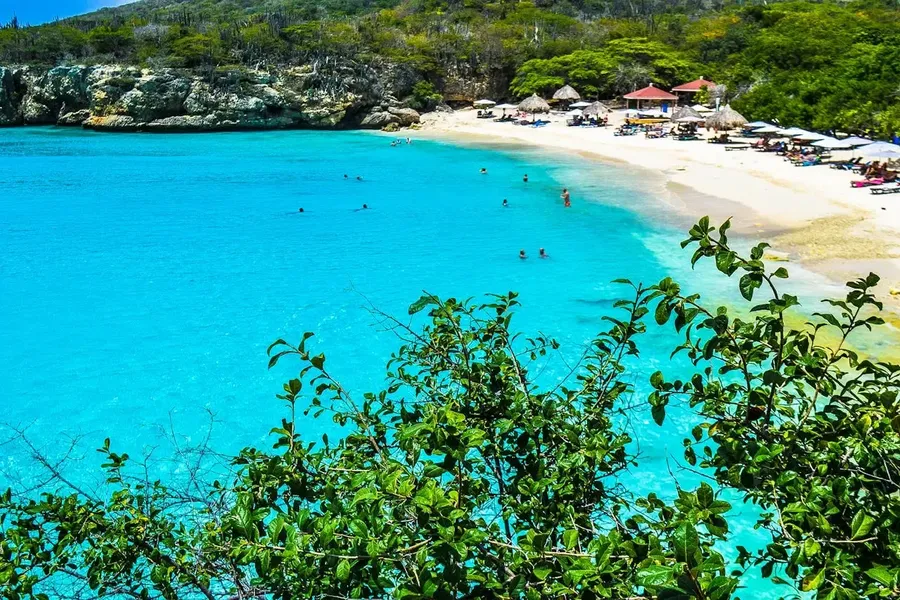
Grote Knip beach, Curaçao
-1-900x600.webp&w=2560&q=100)
ABC Islands vs. other Caribbean island groups
This comparison highlights why the ABC Islands form a distinct group within the Caribbean. Their southern location, dry climate and coral limestone geology set them apart from the volcanic Lesser Antilles and the larger landmasses of the Greater Antilles, placing them in a unique geographic and political category.
Island group | Location | Geology | Climate | Political structure | Major islands |
|---|---|---|---|---|---|
ABC Islands | Southern Caribbean near Venezuela | Coral limestone geology | Dry and arid | Linked to the Kingdom of the Netherlands (varied autonomy) | Aruba, Bonaire, Curaçao |
Lesser Antilles | Eastern Caribbean island arc | Mostly volcanic islands | Tropical with higher rainfall | Mix of independent states and overseas territories | Saint Lucia, Dominica, Grenada |
Greater Antilles | Northern Caribbean | Large continental and volcanic landmasses | More varied climates | Fully sovereign countries and territories | Cuba, Jamaica, Hispaniola |