Caribbean overview
Other
Caribbean overview
Other
Nicaragua is Central America’s wild heart with active volcanoes, epic surf beaches and colorful colonial gems. Granada, San Juan del Sur and Ometepe top every trip. Plan your adventure now.


November to April is the sweet spot: hot, calm winds and ideal conditions for surfing Ometepe or hiking volcanoes without mud. May to October brings daily showers, cheaper stays and empty beaches, with mornings usually sunny and perfect for early adventures.
Although Nicaragua stays warm year round, November to April is the most popular time to visit with 27-32°C.
Nicaragua offers a mix of old cities, surf beaches and volcano adventures. These are the three most popular places to stay for travelers.
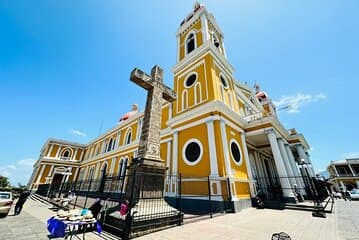
Granada is Nicaragua’s most famous colonial city with cobblestone streets, colorful buildings and views of Lake Nicaragua. Stay in boutique hotels, restored guesthouses, hostels or lakeside villas with pools and lake views.
Best for: history lovers, couples, culture seekers
Why stay here: walk to cathedrals and markets, take sunset boat rides and enjoy rooftop dining near the lake
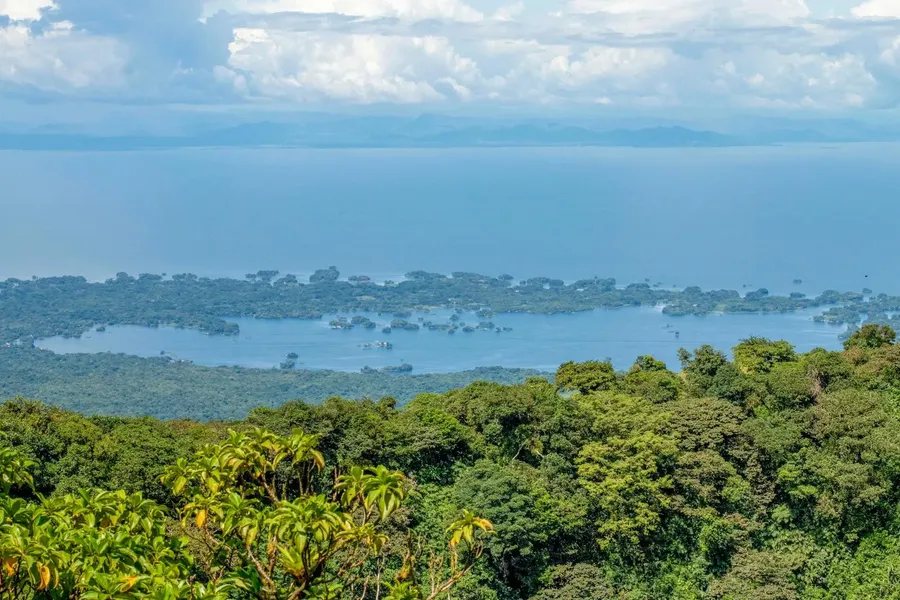
Granada, Nicaragua
San Juan del Sur is the top beach destination in Nicaragua, known for surfing, nightlife and golden sunsets. Choose between surf hostels, mid-range hotels, beachfront rentals or hillside eco-stays.
Best for: surfers, backpackers, party goers
Why stay here: steps from the sand, taco shacks and sunset drinks, plus easy day trips to hidden beaches
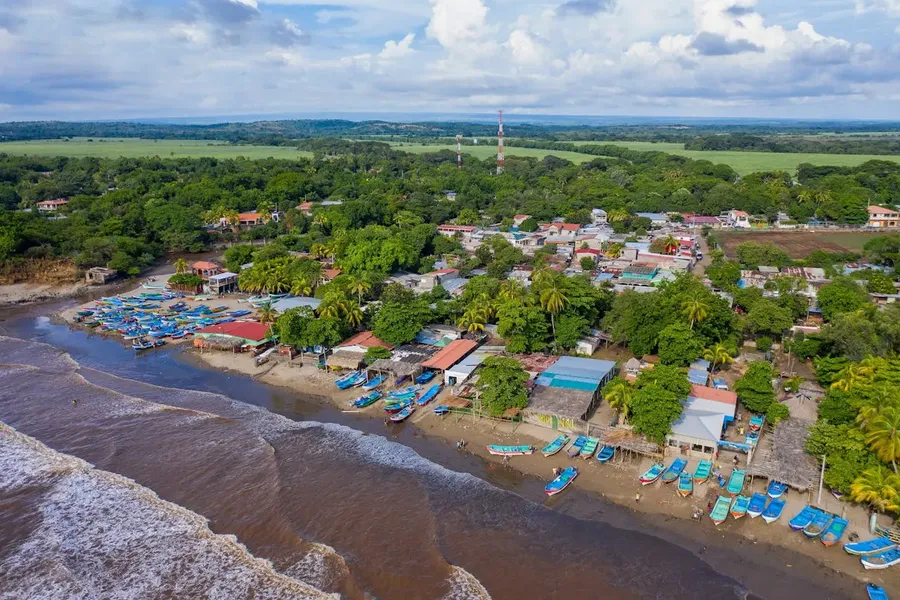
San Juan del Sur, Nicaragua
León is Nicaragua’s cultural and adventure hub, with volcano hikes, street art and a lively student scene. Book colonial inns, hostels, mid-range hotels or eco-lodges near volcano trails.
Best for: adventurers, food lovers, young travelers
Why stay here: volcano boarding at sunrise, buzzing food markets and local craft beer nights
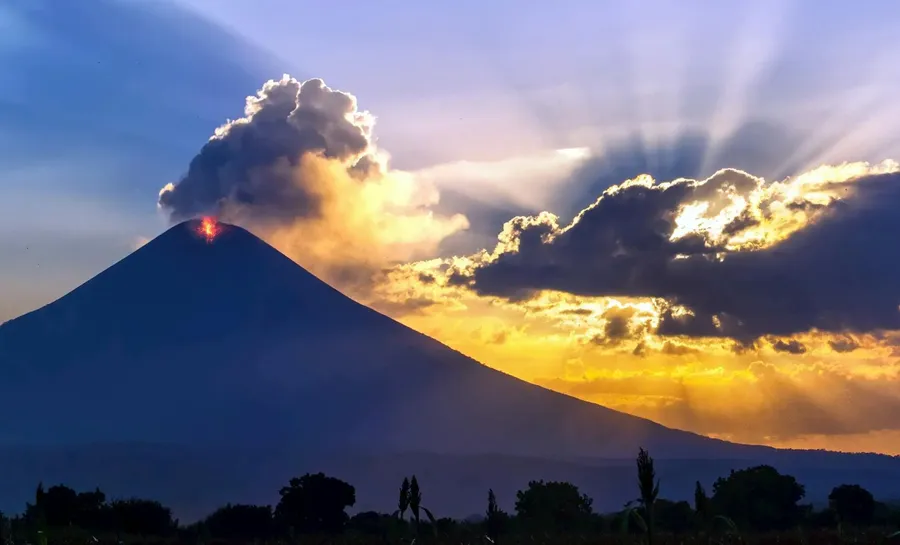
León, Nicaragua
Nicaragua is safe for tourists in popular areas like Granada, León and San Juan del Sur. These towns are calm, visitor friendly and have low violent crime. Petty theft occurs in markets or buses, so keep bags close and avoid flashing valuables. Skip protests and check local news.
Nicaragua is safe in 2026 if you stay in tourist zones and use common sense.
Nicaragua's must-dos lean heavily toward adventure and nature. These are the three experiences almost every visitor loves most.
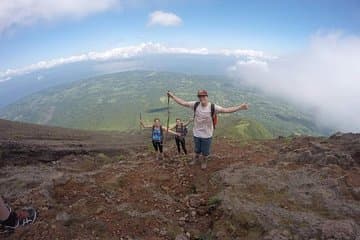
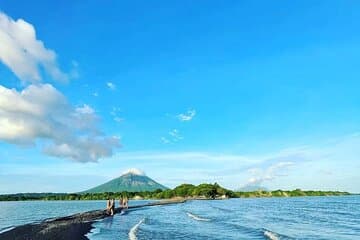
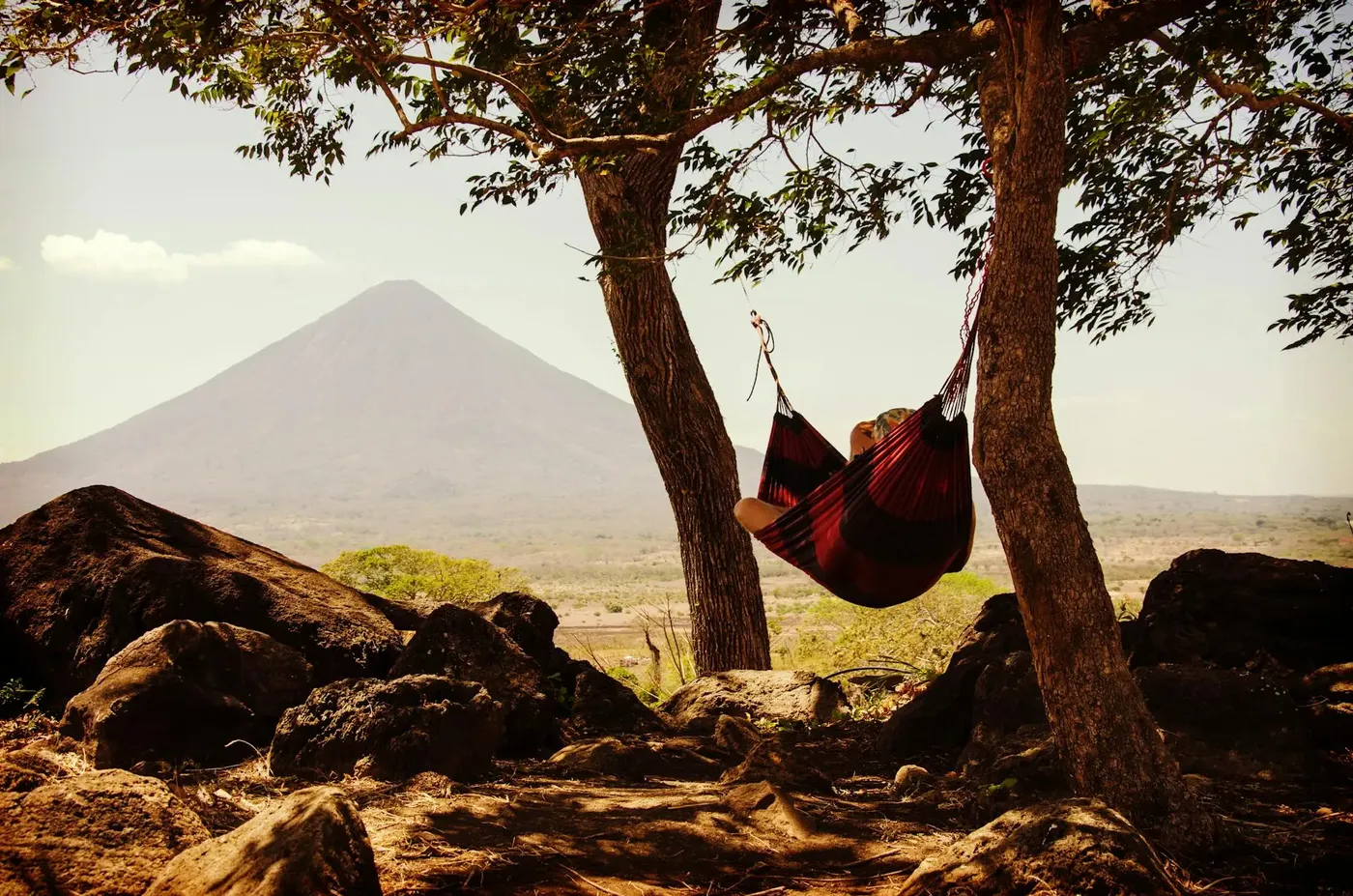
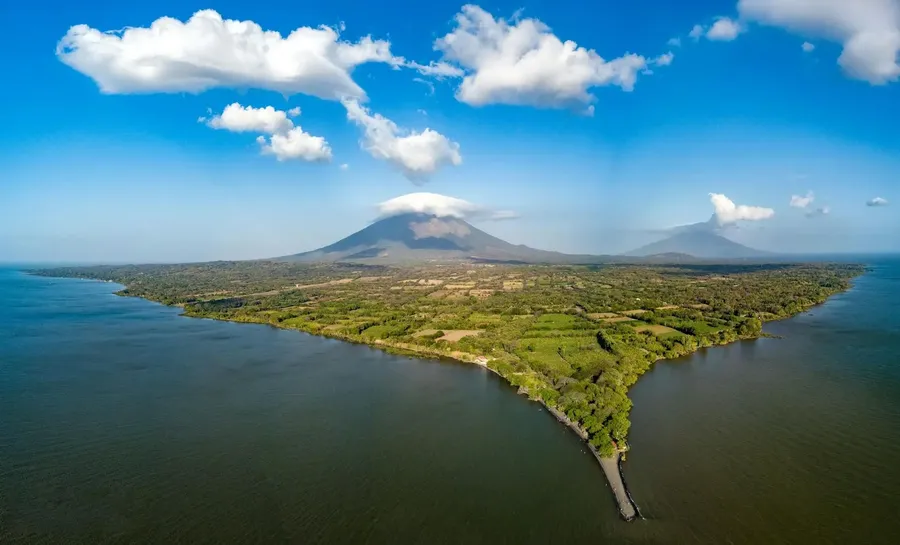
Ometepe Island tops every Nicaragua adventure with twin volcanoes rising from Lake Nicaragua. Trek Concepción for crater views or Maderas through cloud forest to waterfalls and ancient petroglyphs. Guided hikes start at $30 and reward with howler monkeys, misty trails and panoramic sunrises over the largest freshwater island in the world.
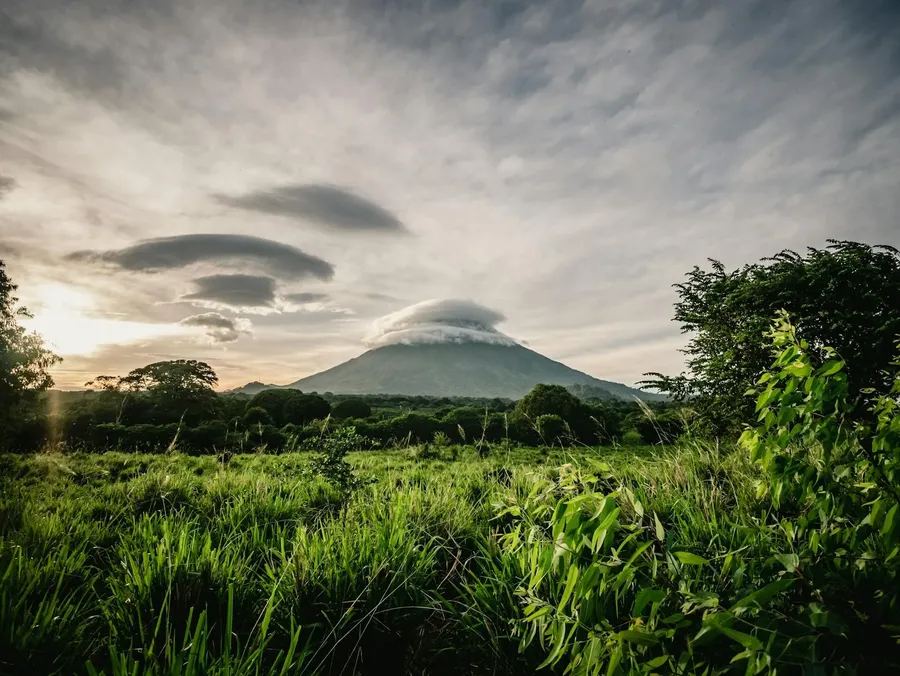
Ometepe Island, Nicaragua
The Corn Islands offer Caribbean paradise with turquoise water, white sand and fresh lobster lunches on Little Corn. Snorkel reefs from the shore or dive wrecks on Big Corn, where flights land daily. Eco-cabanas line the beaches and the laidback Garifuna vibe turns every sunset into a celebration.
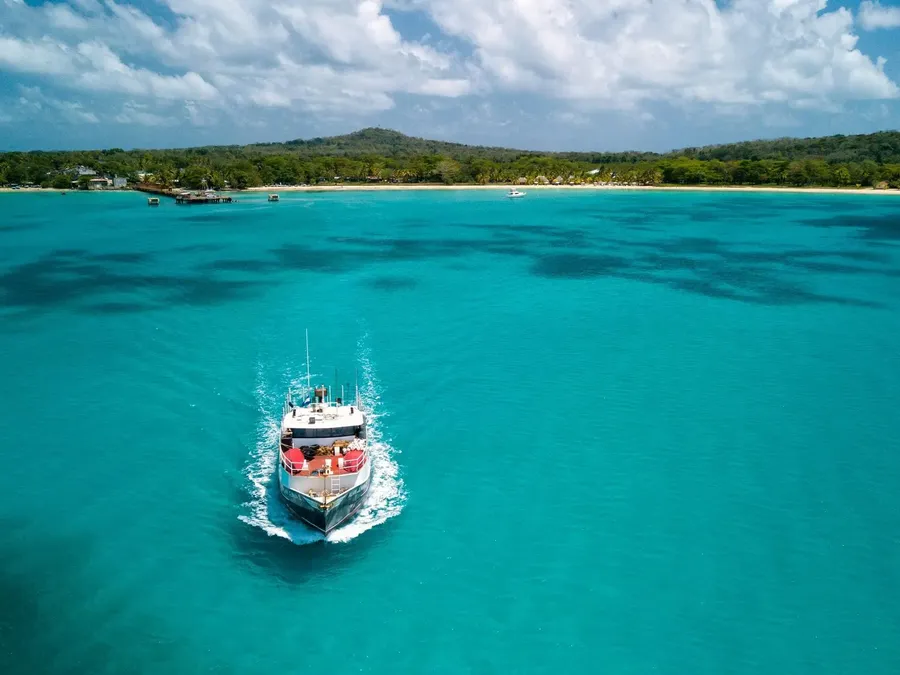
Corn Islands, Nicaragua
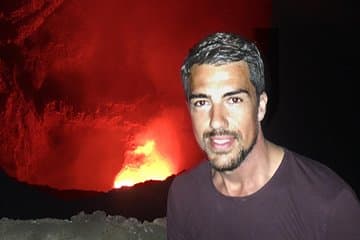
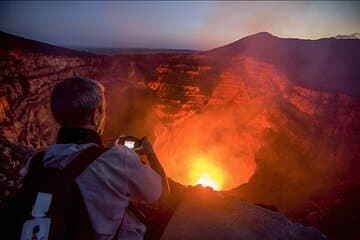
Masaya Volcano delivers the ultimate lava show with a glowing crater visible at night from the park's edge. Drive up in 30 minutes from Managua for $5 entry, then explore lava tubes and artisan markets selling handmade pottery. The red glow and sulfur steam make it Nicaragua's most dramatic natural wonder.
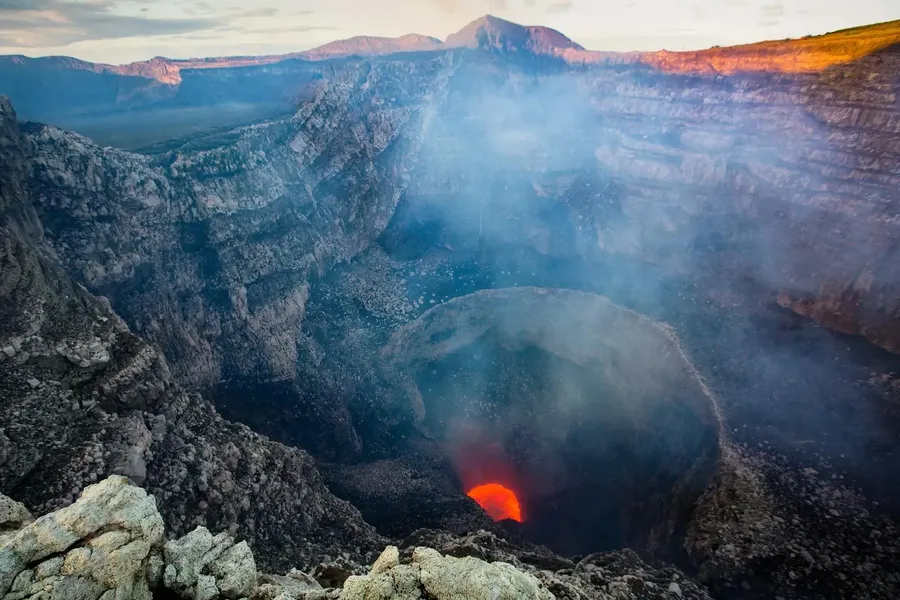
Masaya Volcano

Nightlife in Nicaragua centers on beach parties and colonial bars that turn into dance spots. Parties stay social and affordable, often spilling onto streets with live music or bonfires. These three neighborhoods keep the energy going longest.
Nicaragua sits in the heart of Central America and borders Honduras, Costa Rica and the Caribbean Sea. It is the largest country in the region with 500 km of Pacific coastline, the volcanic Cordillera and Lake Nicaragua in the west. The capital Managua lies on the southwest shore, while the Caribbean coast stretches from Bluefields to the Corn Islands.

Nicaragua has the largest lake in Central America, Lake Nicaragua.
Home to 19 active volcanoes, more per square kilometer than any other nation.
Ometepe Island is the only place in the world with two volcanoes on a freshwater island.
The poet Rubén Darío, father of modern Spanish literature, was born in Metapa.
 19°C
19°CMore than just the Bay Islands, Honduras is full of nature, history and Caribbean charm.
 21°C
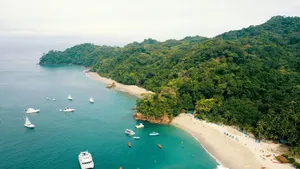
21°CKnown for its strong connection to nature, Costa Rica is great for hiking, surfing or relaxing in tropical surroundings.

 23°C
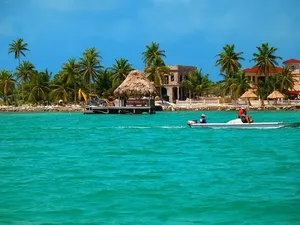
23°CFrom beaches to Maya sites, here’s everything to know before going to Belize.