Caribbean overview
Other
Caribbean overview
Other
Cartagena is a lively Caribbean city known for its historic old town, nearby island beaches, and active nightlife. This guide covers everything you need to plan your visit.


Cartagena stays warm throughout the year. December to April is the most popular period to visit, with plenty of sunshine, lower humidity, and daytime temperatures between 27 and 32 °C, perfect for the walled city walks and relaxing at the beach. From May to November, short afternoon showers are more common, but prices ease and crowds are lighter, while mornings remain suitable for sightseeing.
December to April is the sunniest period with 27 to 32 °C and ideal for beach lovers.
Cartagena blends historic beauty, creative energy, and beachfront luxury. These are the three most popular areas to stay for most travelers.
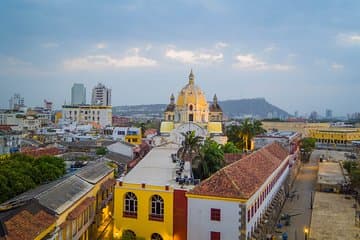
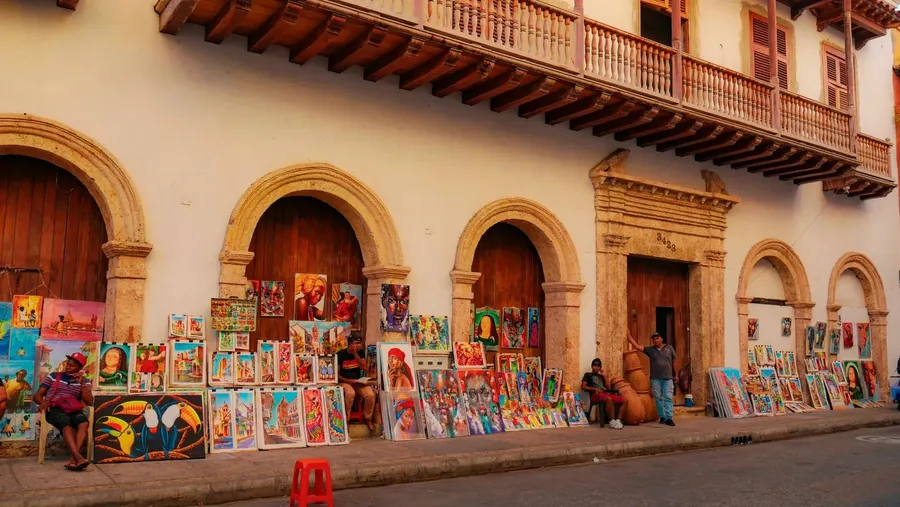
The Walled City is Cartagena’s historic core, filled with boutique hotels inside restored mansions, rooftop pools, and cobblestone streets lined with cafés and plazas.
Best for: History lovers, couples, first-time visitors
Why stay here: Walk to major sights, churches, the sea walls, plus top dining and nightlife just steps away
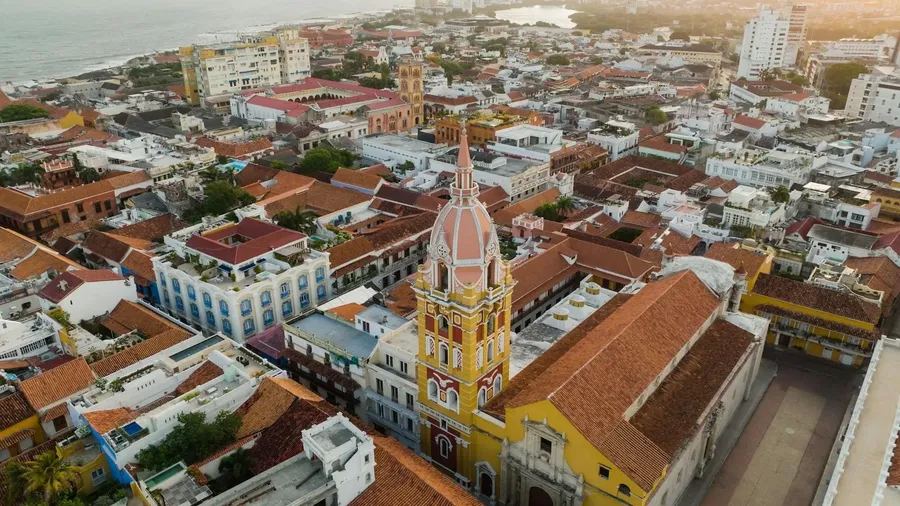
Centro Histórico, Cartagena
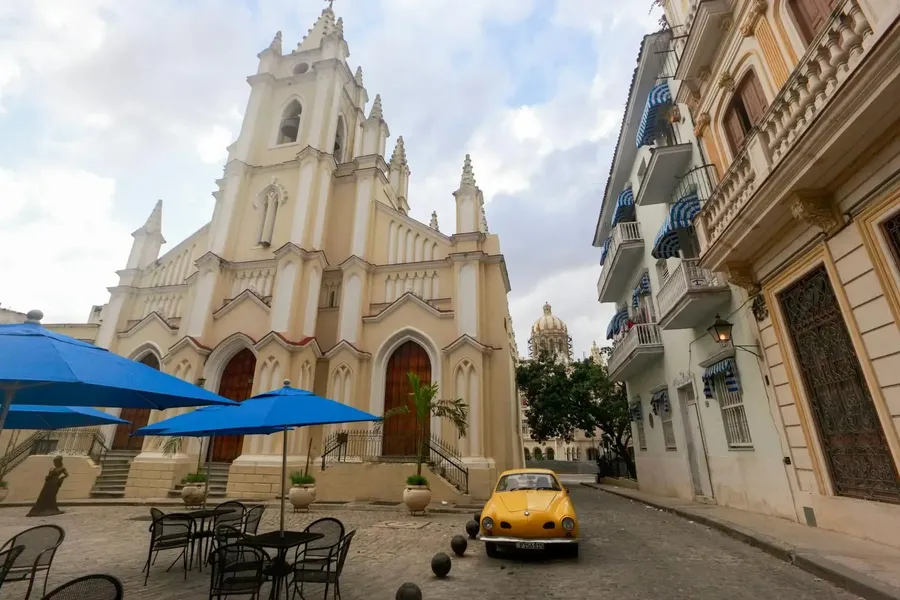
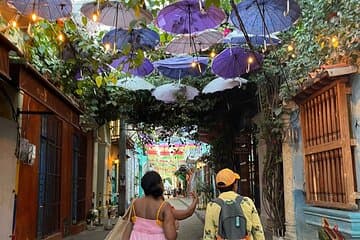
Getsemaní is the city’s artsy district, known for colorful murals, hostels, and mid-range hotels along lively streets packed with street art, bars, and music.
Best for: Backpackers, food lovers, nightlife seekers
Why stay here: Trendy eateries, salsa clubs, and a bohemian vibe just outside the old city walls
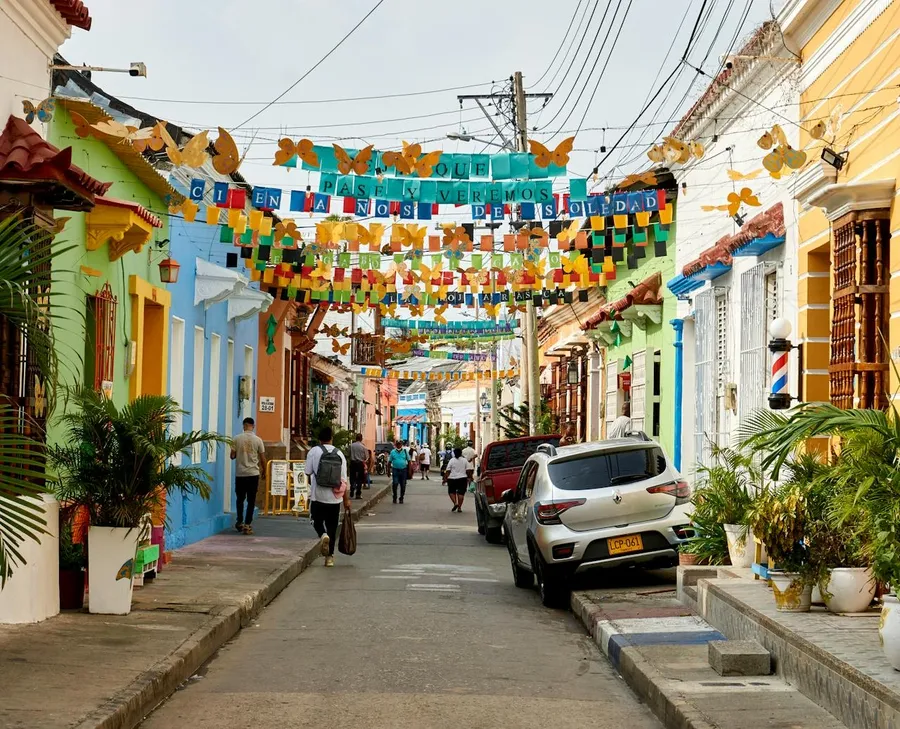
Getsemaní, Cartagena
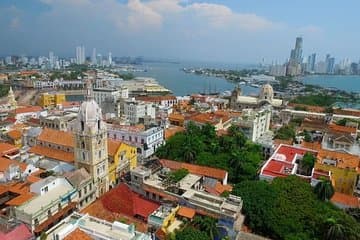
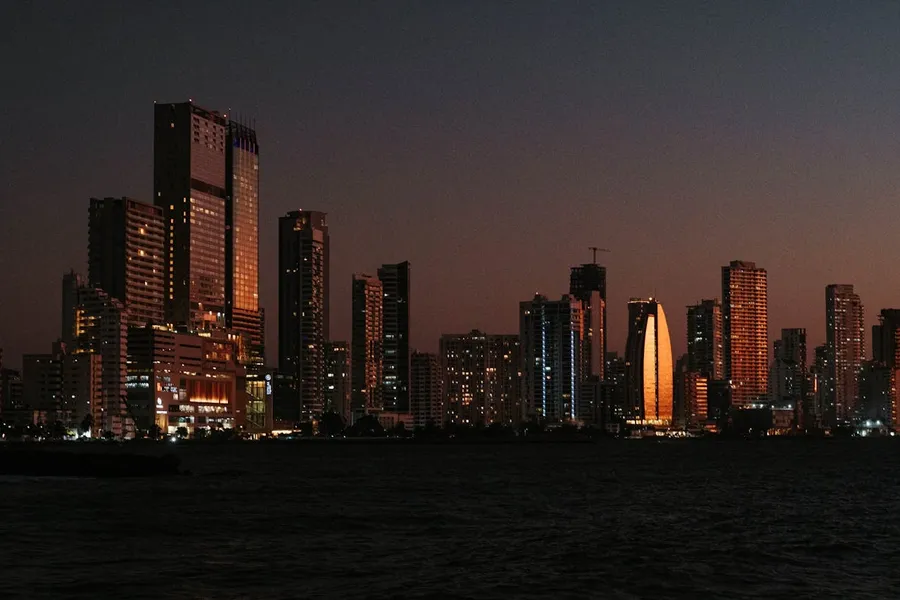
Bocagrande is the modern beachfront zone with high-rise resorts, ocean-view condos, shopping malls, and casinos along the urban shore.
Best for: Beach lovers, families, luxury travelers
Why stay here: Direct beach access, easy shopping, and sunset walks with skyline views
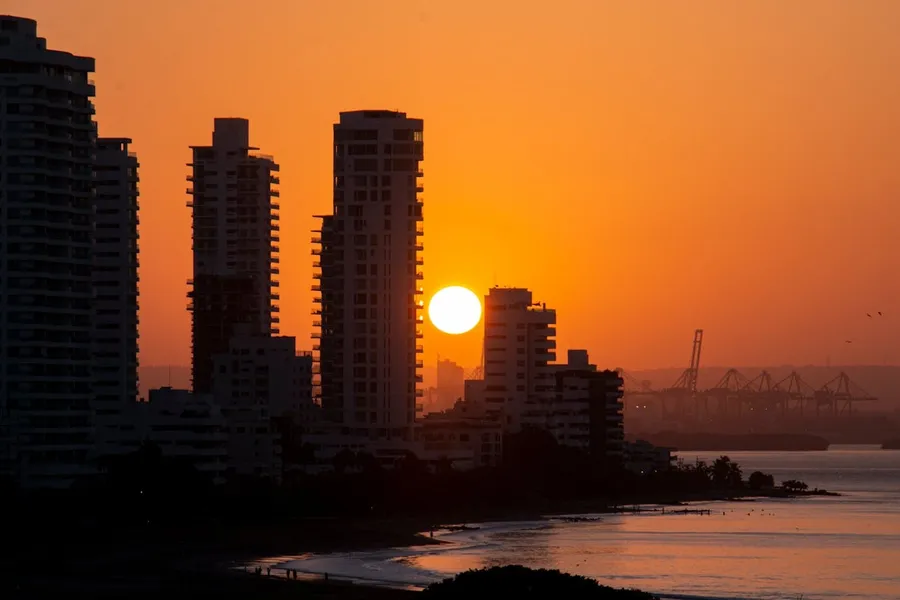
Bocagrande, Cartagena
Cartagena is considered one of the safest destinations in Colombia for travelers, especially in the main tourist areas such as the Walled City, Getsemaní, and Bocagrande, which have strong police presence and are lively well into the evening. As with any major city, simple precautions apply: avoid displaying valuables, use registered taxis or ride apps at night, and stick to well-lit, busy streets. Petty theft can occur, but serious incidents involving tourists are uncommon, and most visitors find Cartagena relaxed and welcoming.
The Walled City, Getsemaní, and Bocagrande all have visible tourist police and regular patrols day and night.
Cartagena blends historic architecture, Caribbean beaches, and vibrant culture. These are the three experiences almost every visitor loves most.
The Walled City is Cartagena’s UNESCO-listed heart with 16th-century ramparts, colorful plazas, and hidden courtyards. Wander cobblestone streets to San Pedro Claver Church, walk the walls at sunset, and taste street ceviche along the way. Guided tours cost about $20 and last 2 to 3 hours.
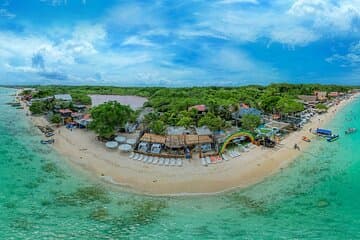
The Rosario Islands sit about 45 minutes by boat from Cartagena with clear water, white sand, and coral reefs. Snorkel with tropical fish, swim in bioluminescent plankton at night, or relax at private beach clubs. Day tours usually start around $60 including lunch.
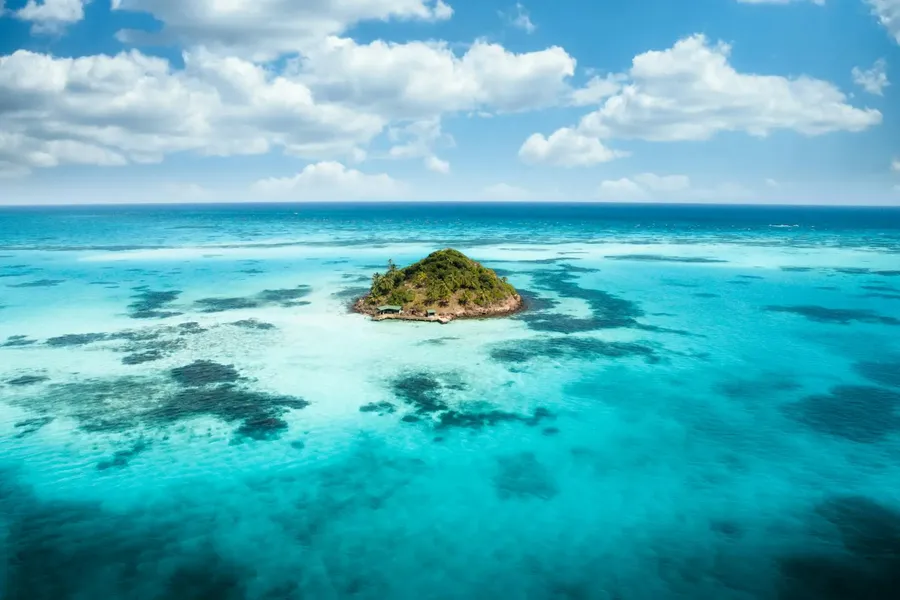
Rosario Islands
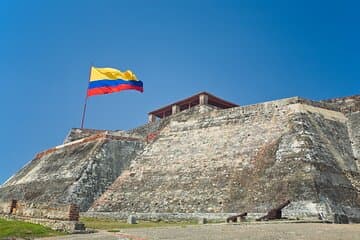
Castillo San Felipe de Barajas is the largest Spanish fort in the Americas, built to defend Cartagena from pirate attacks. Explore its tunnels, stand on the ramparts for panoramic views, and learn its 400-year history. Entry is about $12, and audio guides bring the fortress to life.
Cartagena comes alive after dark with salsa rhythms, rooftop cocktails, and street parties that roll into the early hours. The Walled City buzzes with live music and dance floors, while beach areas lean toward relaxed bars by the sea. Pick a zone and move easily between spots by taxi or on foot.
Cartagena sits on Colombia’s northern Caribbean coast, 650 km northwest of Bogotá. It faces the Caribbean Sea with the walled old town on a peninsula, Getsemaní just east, and Bocagrande stretching south along the beach. The Rafael Núñez International Airport is 5 km from the historic center.

The walled city has 11 km of stone walls built over 200 years to repel pirates.
Cartagena hosts the world's oldest film festival in Latin America every March.
The city was the main Spanish port for gold and slaves in the Americas.
The movie "Romancing the Stone" has Cartagena as its starting point, though filmed in Mexico.


 30°C
30°CCuraçao offers colorful city life, turquoise seas and rich island culture all year round.
 29°C
29°CA peaceful retreat in the Caribbeans with captivating natural attractions.